
I’m re-reading On Writing: A Memoir of the Craft by Stephen King. I first read it back in the early 2000s, when I was becoming more serious about technical writing as part of my career. That was also just before I began my Master of Arts in Distributed Learning. Now, as I prepare to pursue a Master of Fine Arts in Creative Nonfiction, it feels only fitting to revisit the book.

One lesson that stayed with me from that first reading was the importance of writing a crappy first draft. In other words, the goal of the first draft is simply to get something down on the page, without worrying about whether it is any good. The focus is not on perfection but on getting the words out. I have not reached that part of the book yet in my re-read, but I have already come across other insights about first drafts that are really resonating with me.
King reflects on his early experiences writing as a teenager, particularly the first time his work was edited by someone else. He describes how powerful it was to receive meaningful feedback, not the kind you get in English class where the focus is on grades and grammar, but the kind that actually makes the writing better. That stood out to me. The editor wasn’t marking him; the editor was helping to shape the story. The intention is different, and that difference matters.
One of King’s key points is that the first draft is written for the writer. It isn’t meant for an audience.
For me, the first draft is about getting the ideas out of my head and onto the page. The act of writing itself helps me clarify and organize my thoughts. Until they’re written down, those ideas are just air; fleeting and intangible. Once they’re on the page, they start to take shape, and that’s when the connections between them begin to form.
From a learning theory perspective, I think of this as anchoring. When ideas are only in my mind, they are untethered and insubstantial. But writing them down, even in a rough and messy draft, makes them real. It is how they become anchored in my brain. It is also how I start to remember them, understand them, and build on them.
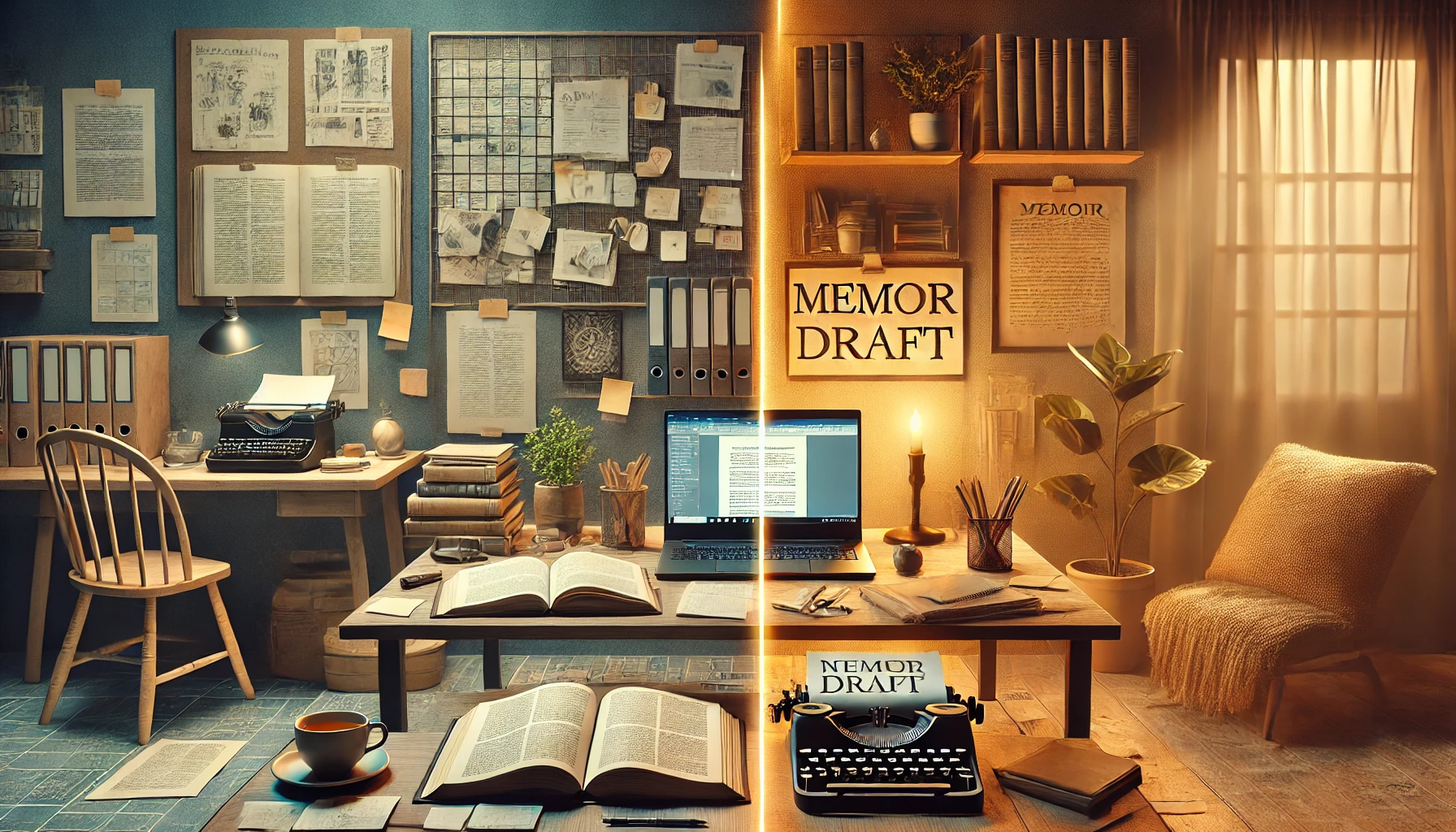
So yes, the first draft might be “crappy,” but it serves a crucial purpose. It’s a tool for the writer, especially in memoir writing, where you often don’t know what the story is when you begin. You may know certain memories matter, but you don’t yet know how or why they connect. You may not even know the theme. And that’s OK. The narrative emerges through the act of writing. That’s how we find the story.
The second draft is when the audience begins to matter. That’s where the editor’s role becomes essential. The editor helps refine the focus, shaping the story with the reader in mind.
Eventually, there is a shift: the story is no longer yours. It becomes the reader’s. That transition from the first draft to the published version is more than just revision. It is a handing over. The published story belongs to the reader now. They bring their own interpretations and insights. The focus changes.
So the idea of a crappy first draft is about more than just quality. It is about purpose. It is a process that helps the writer explore, discover, and make meaning. And that, in itself, is why writing can be such a rewarding practice, even if you never publish a book or share your story with anyone else.

Leave a Reply